

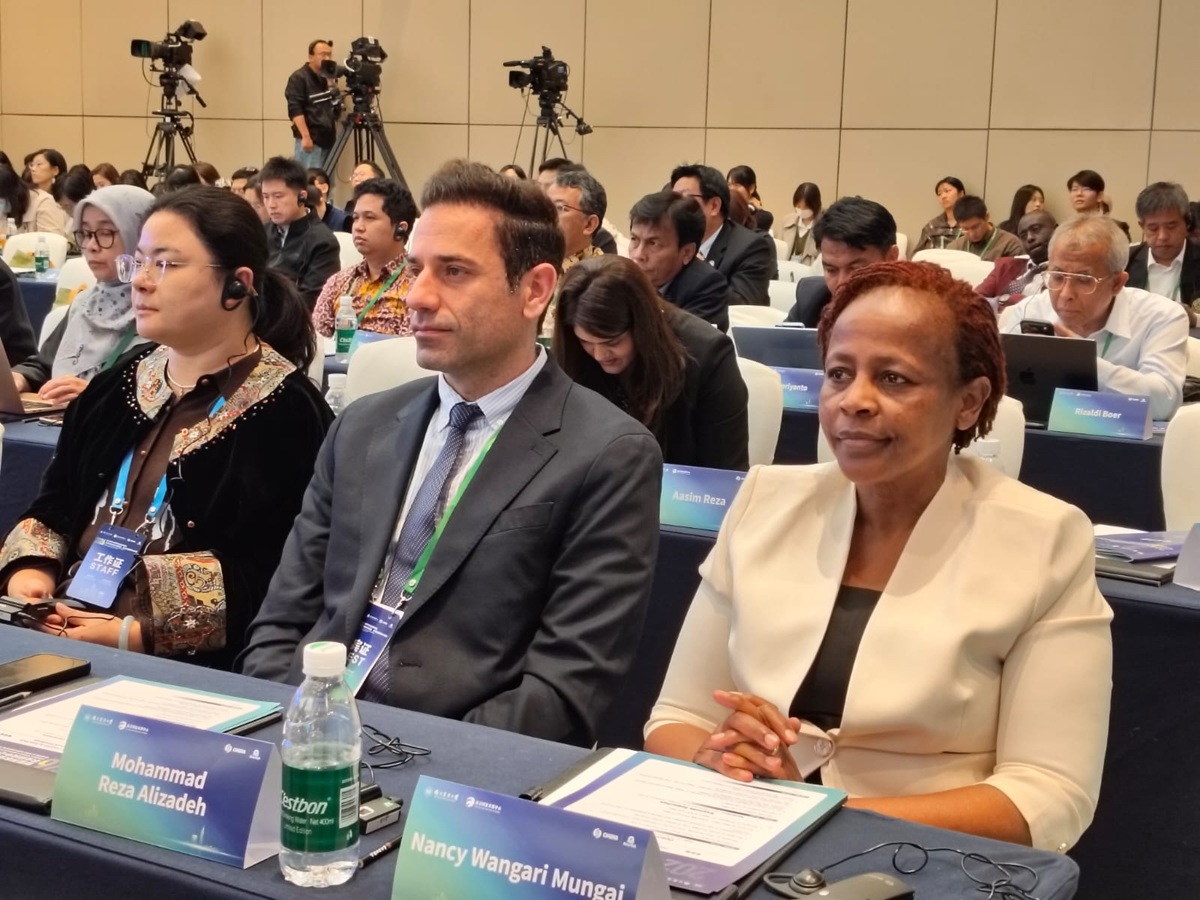
Prof. Nancy W. Mungai, TAGDev 2.0 Program Coordinator at Egerton University, visited Nanjing Agricultural University (NAU) in China from 23 to 29 October 2026 to participate in the 2026 Global Confederation of Higher Education Associations for Agricultural and Life Sciences (GCHERA) World Agriculture Prize programme and undertake learning visits to the university's research, teaching and agricultural innovation facilities. The visit provided an opportunity to engage in global discussions on agricultural higher education, research and food security while gaining insights into how universities translate scientific knowledge into practical agricultural solutions.
The 2026 World Agriculture Prize recognised Dr. Jorge Dubcovsky for his contributions to wheat genetics and genomics and Dr. Ibrokhim Y. Abdurakhmonov for his work in plant genomics, biotechnology and agricultural leadership. Discussions highlighted global agricultural challenges, including climate change, pressure on natural resources, persistent hunger, emerging technologies such as artificial intelligence and the need to develop young agricultural talent.
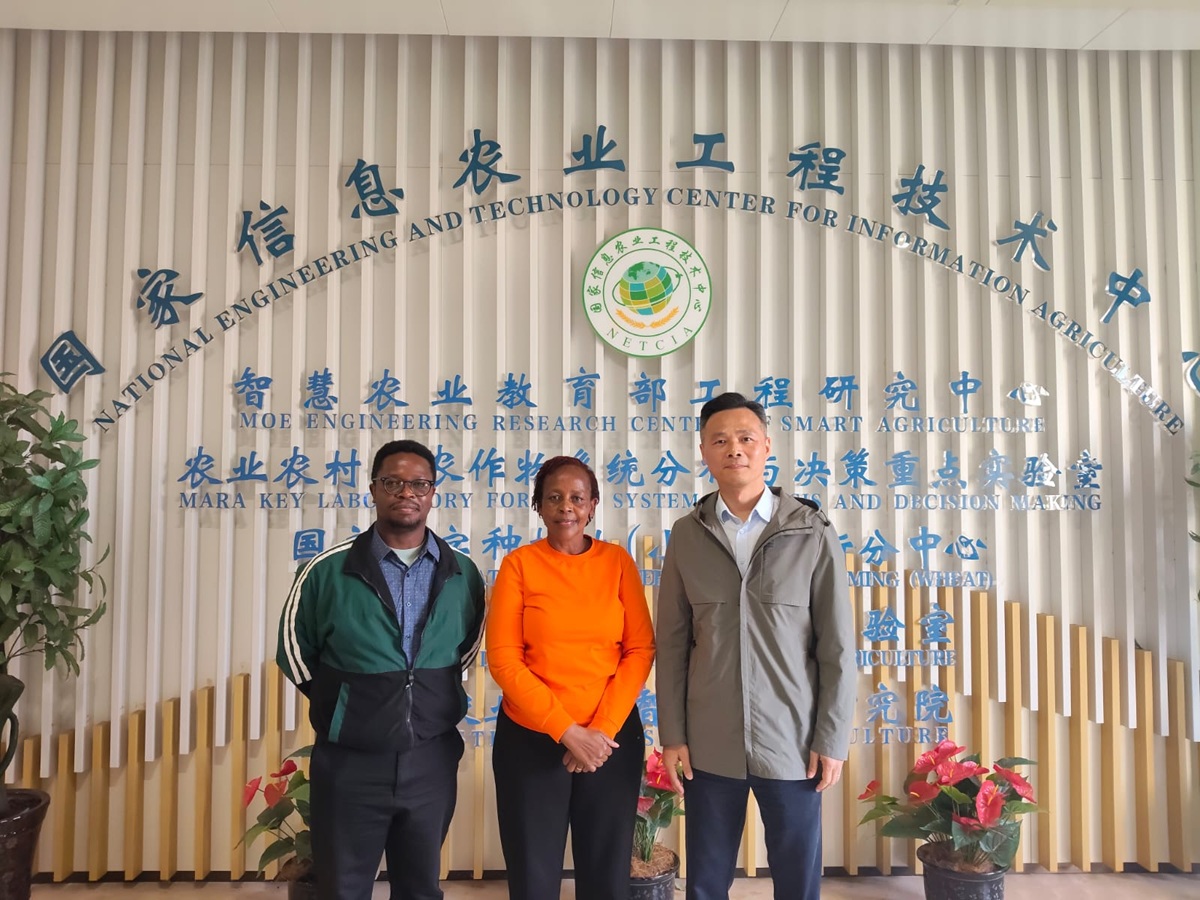
During the scientific engagements, Prof. Mungai delivered a presentation titled “Soil Health, Productive Agricultural Land and Agricultural Transformation: Priorities for China–Kenya Collaboration.” She highlighted the importance of protecting productive agricultural land, promoting evidence-based agricultural transformation and strengthening research partnerships to address soil degradation and improve agricultural productivity.
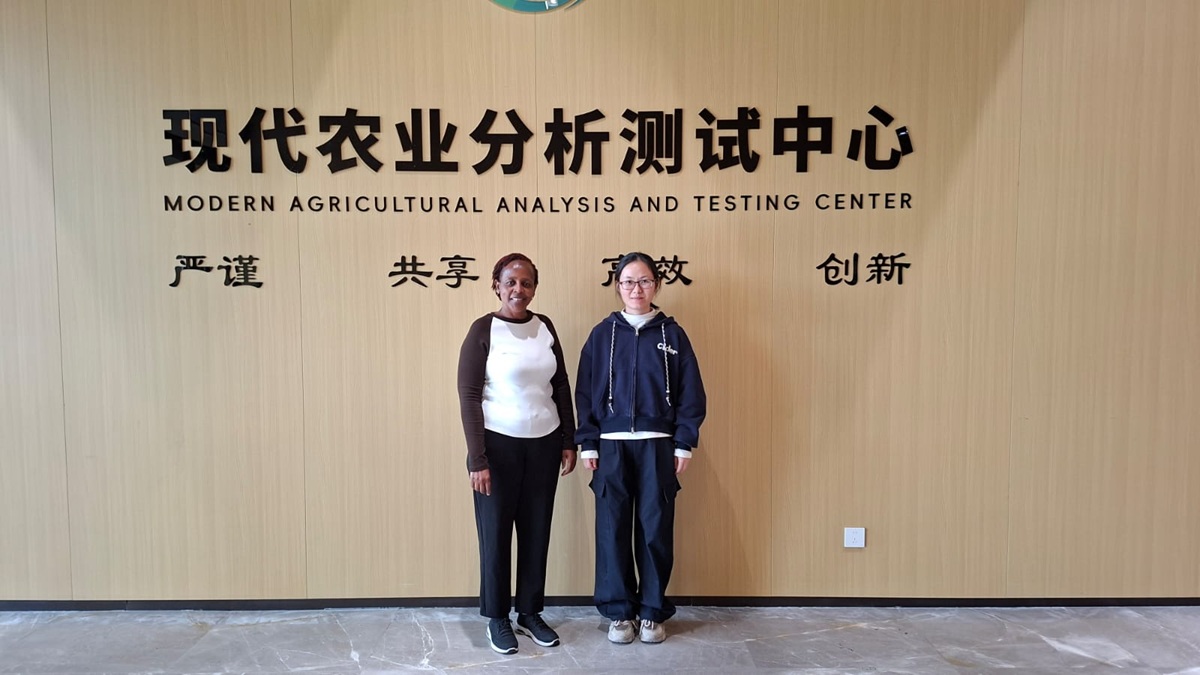
The learning visits provided exposure to NAU's research infrastructure and emerging agricultural technologies. At its Modern Agricultural Analysis and Testing Center, which began operating in December 2024, Prof. Mungai observed advanced analytical facilities supported by 37 major scientific instrument units and an initial investment of approximately RMB 107 million. The centre's shared-equipment arrangements offered useful lessons for strengthening laboratory management and equipment utilisation at Egerton University. She also visited laboratories undertaking cultivated-meat research using stem-cell technology and 3D printing, demonstrating emerging possibilities in food science.
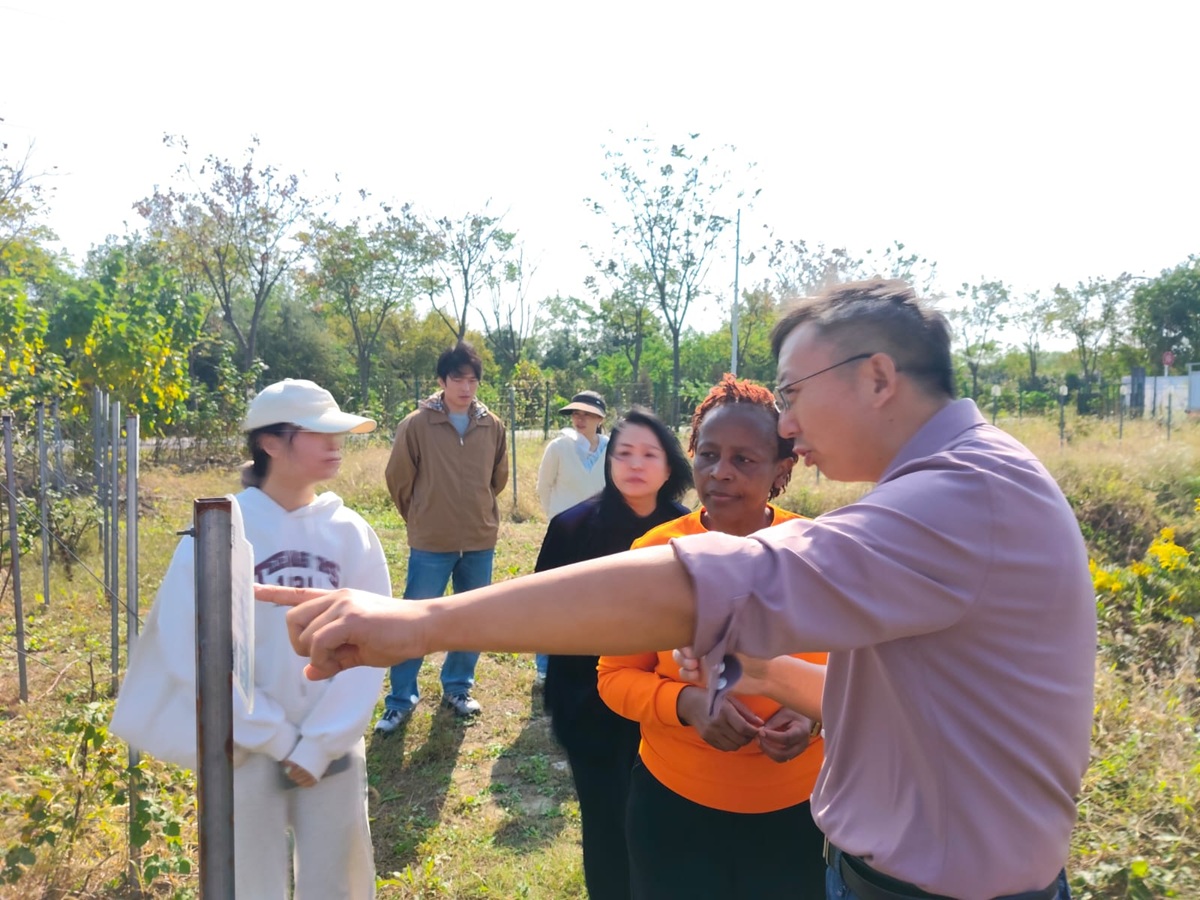
Of particular relevance to Egerton's agricultural research priorities were discussions with NAU soil scientists on soil reference samples from different parts of China and the application of biochar in soil fertility management. These engagements highlighted opportunities for comparative soil-health research, rehabilitation of degraded soils and strengthening laboratory capacity.
The farm visits demonstrated how university research can support commercial agriculture and rural development. At the Quanjiao Chrysanthemum Expo Garden in Anhui Province, Prof. Mungai observed how collaboration between NAU and the local government had translated university-developed chrysanthemum varieties into commercial horticultural enterprises, integrating research, agritourism and rural economic development. At another approximately 260-acre farm, she observed biological pest control, organic production, coordinated irrigation and fertiliser application, crop rotation and greenhouse production. A provincial ecological crab-farming demonstration, reporting annual production of approximately 100,000 crabs, further illustrated opportunities for agricultural diversification.
The experiences offer practical lessons for Egerton University's ongoing research, training and innovation initiatives under TAGDev 2.0. Soil-health research and biochar application could complement activities across the program's focus value chains, while integrated crop management practices could inform Climate-Smart Agriculture Technologies, Innovations and Management Practices (CSA TIMPs) demonstrations at the TAGDev Model Farm. The commercialisation model observed at the chrysanthemum garden also offers insights for strengthening agricultural entrepreneurship and research commercialisation through Egerton incubation hubs.
Importantly, the visit identified opportunities to build on the existing institutional Memorandum of Understanding between Egerton University and NAU. Proposed follow-up actions include technical exchanges on biochar and soil-health indicators, exploring shared-equipment booking and utilisation systems for Egerton's laboratories, identifying a joint demonstration on precision water and nutrient management, and sharing the lessons with the Faculty of Agriculture to support students and early-career researchers.
For Egerton University and TAGDev 2.0, the engagement provides an opportunity to strengthen research capacity, expand international knowledge exchange and adapt relevant innovations to Kenya's agricultural context, connecting global agricultural research with practical solutions for farmers and future agricultural leaders.