

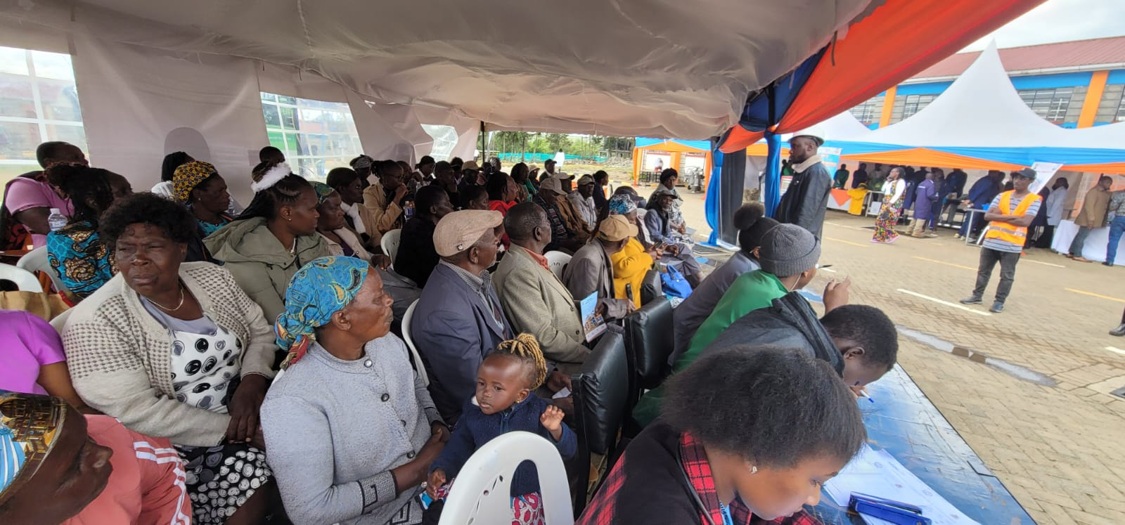
On 29th and 30th October 2026, Nyandarua National Polytechnic (NyNP), through its Agriculture and Environmental Studies Department and under the Agri-food Systems and Enterpreneurship Consortium (ASEC) initiative, hosted a two-day training for smallholder farmers at the institution. The activity was held alongside the 3rd NyNP International Conference, providing an opportunity to link practical farmer capacity building with broader discussions on agricultural innovation, climate-smart agripreneurship and sustainable development. The training was intended to strengthen farmers’ understanding of practices that can support productive, resilient and economically viable farming.
On 29th and 30th October 2026, Nyandarua National Polytechnic (NyNP), through its Agriculture and Environmental Studies Department and under the Agri-food Systems and Enterpreneurship Consortium (ASEC) initiative, hosted a two-day training for smallholder farmers at the institution. The activity was held alongside the 3rd NyNP International Conference, providing an opportunity to link practical farmer capacity building with broader discussions on agricultural innovation, climate-smart agripreneurship and sustainable development. The training was intended to strengthen farmers’ understanding of practices that can support productive, resilient and economically viable farming.
A total of 290 farmers participated in the training, including 187 women, representing approximately 64.5% of all participants. This strong participation by women highlighted their significant contribution to agricultural production, household food security and agribusiness. The training also provided a forum for farmers to exchange experiences, reflect on common production challenges and consider practical approaches for improving farm management, resource use and income generation.
Key Areas of Training
The training focused on three complementary areas that influence farm productivity, sustainability and operational efficiency:
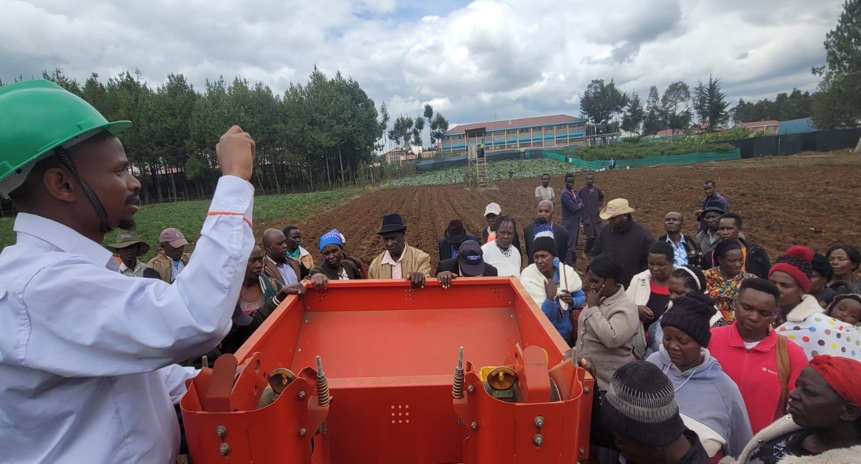 • Soil Health – Farmers were sensitized on the importance of healthy soil as the foundation of reliable crop production. The discussion covered the need to understand soil physical, chemical and biological properties, maintain soil organic matter, use organic resources such as compost and manure appropriately, and apply fertilizers based on crop requirements and soil condition. Good soil management practices, including erosion control, suitable soil cover and responsible input use, help maintain fertility, improve water retention and protect the productive capacity of farmland. Soil testing was highlighted as a useful basis for making informed soil amendment and fertilizer decisions.
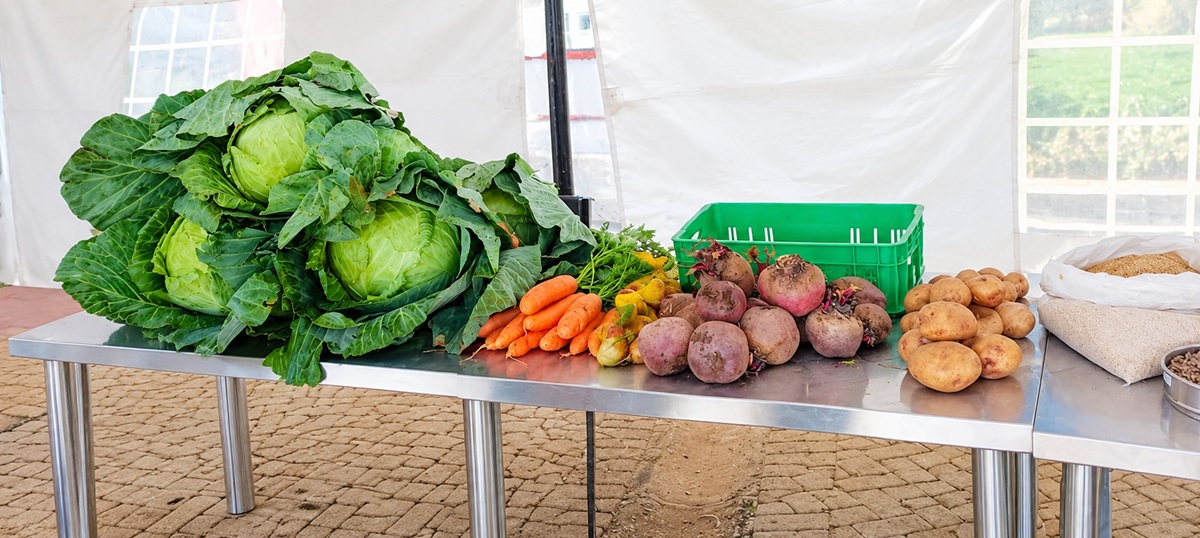
• Diversified Farming – Farmers explored the value of combining suitable crops and farm enterprises rather than relying heavily on a single crop or source of income. Depending on farm size, location, resources and market demand, diversification may involve integrating crop production with livestock, horticulture, agroforestry or other complementary enterprises. Such approaches can spread production and market risks, make better use of available land and farm resources, improve household food availability and create different income opportunities throughout the year. Farmers were encouraged to consider enterprise selection carefully, taking account of production costs, labour, climate, available skills and access to markets.
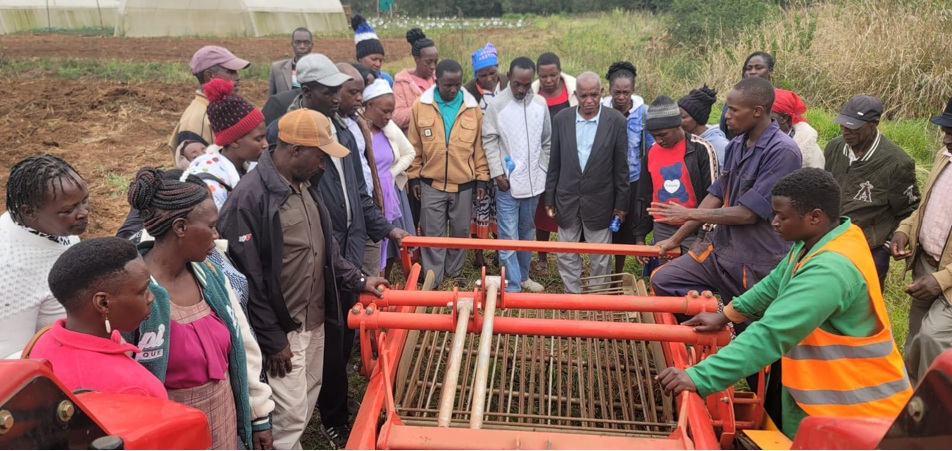
• Farm Mechanization – The training emphasized the role of appropriate machinery, equipment and tools in making farm operations more timely and efficient. Mechanization can support activities such as land preparation, planting, spraying, harvesting and transport, while reducing some of the physical demands of farm work. Farmers were encouraged to consider equipment that matches their scale of production and ability to pay, including shared services, hiring machinery or working through farmer groups where purchasing equipment individually may be too expensive. Safe operation, routine maintenance and the correct use of equipment are important for protecting operators, reducing breakdowns and ensuring value for money.
Significance and Expected Outcomes
The three training areas are closely linked. Healthy soils provide the basis for strong crop growth; diversified enterprises can help farmers spread risks and make better use of their resources; and suitable mechanization can improve the timeliness and efficiency of farm operations. Considered together, these practices can contribute to better farm planning, more responsible resource use and stronger resilience to production and market challenges. The relevance of each practice will depend on individual farm conditions, available resources and local market opportunities.
Holding the training alongside the 3rd NyNP International Conference also created a connection between community-level agricultural learning and wider conversations on sustainable development and innovation. The participation of 290 farmers, including 187 women, demonstrated the importance of inclusive outreach and of making practical agricultural knowledge accessible to farming communities.
Key Achievements
 1. Strong Farmer Participation: Successfully trained 290 farmers, comprising 187 women (64.5%), demonstrating strong participation and commitment to agricultural development.
2. Improved Soil Health Awareness: Enhanced farmers' understanding of soil properties, soil fertility management, soil testing and appropriate soil amendments, with NyNP's soil testing laboratory providing an institutional resource for continued farmer support.
3. Promotion of Diversified Farming: Sensitized farmers on integrating crops, livestock and other suitable farm enterprises to improve income, strengthen food security and reduce production risks.
4. Farm Mechanization Awareness: Strengthened farmers' understanding of appropriate machinery, equipment use and mechanization services, drawing on NyNP's available farm machinery and practical training capacity.
5. Strong Stakeholder Collaboration: Benefited from the direct involvement of the Agriculture Extension Office for Ol Joro Orok Constituency, NPCK Nyandarua Chapter and KALRO Ol Joro Orok.
6. Enhanced Knowledge Sharing: Hosting the training alongside the 3rd NyNP International Conference strengthened interaction between farmers, trainers and agricultural stakeholders.
Challenges and Areas for Improvement
- Limited Training Time: The two-day programme limited the depth of practical demonstrations and individual farmer engagement across all three training areas.
2. Different Farmer Training Needs: Participants had varying levels of agricultural knowledge and experience, requiring differentiated approaches to learning.
3. Technology Adoption Costs: Although NyNP has farm machinery, the cost of accessing, hiring and maintaining appropriate equipment may limit adoption by some smallholder farmers.
4. Farm-Level Application: Farmers require continued extension support to translate the knowledge acquired into practical improvements on their farms.
5. Market and Climate Challenges: Unpredictable weather, fluctuating commodity prices and changing production costs continue to affect farm profitability.
Conclusion
The two-day training held on 29th and 30th October 2026 at Nyandarua National Polytechnic reached 290 smallholder farmers, of whom 187 were women. Conducted alongside the 3rd NyNP International Conference, the activity reinforced the institution’s commitment to community outreach, inclusive agricultural development and the sharing of practical knowledge. Through its focus on soil health, diversified farming and farm mechanization, the training highlighted approaches farmers can consider to improve soil productivity, strengthen farm resilience and manage farm operations more efficiently.
To translate learning into lasting farm-level benefits, continued extension support, access to appropriate inputs and services, and application of suitable practices under local conditions will be important. Appreciation is extended to the participating farmers, facilitators, organizers and partners who contributed to the activity.